Empathetic LGBT Counseling Services: Helping Your Journey to Well-Being
Compassionate LGBT counselling services have a vital role in promoting mental health and personal growth within the population. These programs create a safe space for individuals to examine their identities and confront societal pressures. By employing tailored counseling methods, patients can build resilience and self-acceptance. Recognizing the influence of these services leads to important inquiries about their success and the life-changing outcomes they can offer. What changes might occur for those who pursue this support?
Why LGBT Counselling Is Important
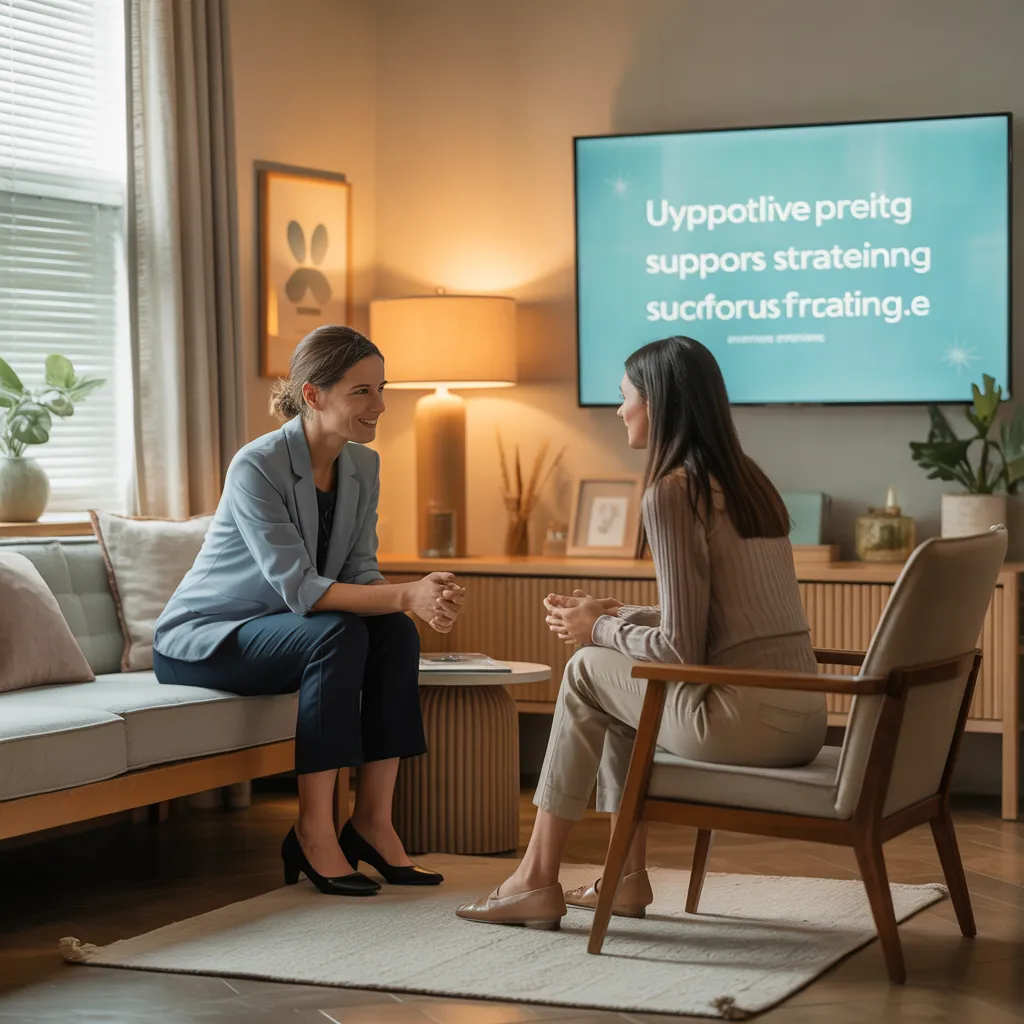
LGBT therapy acts as a key instrument in addressing the unique challenges endured by persons within the community. It establishes a secure and affirming space where clients can explore their sense of self, feelings, and lived experiences without fear of judgment. These supports are designed to honor assorted orientations and preferences and gender identities, fostering a belonging and welcome.
Counsellors educated on LGBT matters utilize culturally competent approaches to better understand the nuances of clients' lives. This tailored approach not only promotes psychological wellbeing but also empowers people to manage societal pressures, interpersonal relationships, and personal growth.
In addition, LGBT counselling can help develop adaptive techniques for stress, anxiety, and depression, which may originate from experiences of discrimination or isolation. By prioritizing emotional well-being, these services serve as a crucial factor in boosting the total well-being for LGBTQ+ individuals, promoting self-acceptance and emotional strength.
Challenges Facing the LGBT Population
While progress has been made across many areas, the LGBT community still faces significant obstacles. Bias persists pervasive, affecting various dimensions of life, encompassing work, healthcare, and residential needs. Many people encounter stigma and prejudice, leading to increased mental health concerns. Moreover, the absence of thorough legal safeguards in some areas exacerbates these issues, making members of the community vulnerable to harassment and violence.
Mental health difficulties are quite pronounced, as individuals often encounter internalized homophobia and societal rejection. Social isolation can compound these obstacles, as supportive networks may be inadequate or non-existent. Moreover, access to culturally competent healthcare provision is commonly inadequate, leaving many without essential resources.
Overcoming these barriers requires strong determination and support, emphasizing the need for increased awareness and targeted interventions to promote inclusion and acceptance. Addressing these obstacles is essential for the overall well-being of the LGBT community.
Explore What Your Therapy Session Will Include?
An LGBTQ counselling session begins with the initial assessment process, which is essential for grasping the client's unique needs and experiences. This foundational step lays the groundwork for the treatment methods that will be applied throughout the process. Clients can expect a tailored approach that centers on their individual circumstances and aims.
Beginning Assessment Method
The foundational assessment procedure acts as a key component for fruitful counselling interactions. In this phase, clients are prompted to convey their challenges, situations, and aspirations in a supportive, secure environment. The counsellor implements a thorough review, obtaining vital information about the client's background, mental health narrative, and current issues. This conversation attempts to develop trust and connection, assisting clients to experience they are respected and acknowledged. Moreover, the therapist may deliberate the client's goals and expected benefits from the therapeutic experience. By constructing a firm grasp of the client's needs, the initial evaluation establishes the framework for individualized support and efficacious treatment, confirming that clients feel ready and confident on their movement toward health.
Therapeutic Approaches Used
Counselling appointments incorporate a variety of healing techniques customized to address each client's unique needs. Approaches such as CBT help clients challenge and reframe negative thought patterns, promoting healthier perspectives. Story-based therapy inspires individuals to explore and reshape their personal stories, strengthening self-identity and personal agency. Additionally, mindfulness practices encourage mood management and present-moment awareness, assisting clients in coping with anxiety and stress. Support-based methods, including active listening and empathy, create a secure space for honest communication. Group therapy may also be utilized, building connection and common ground among clients. Each technique is thoughtfully chosen to tackle specific challenges faced by LGBT individuals, ensuring a thorough and caring approach to their psychological well-being and well-being.
Understanding How LGBT Counselling Addresses Widespread Challenges
While traversing a world often fraught with discrimination and misunderstanding, many people within the LGBT community encounter unique emotional and psychological challenges. LGBT therapy addresses these issues by providing a safe, affirming space where clients can share their feelings without fear of judgment. Counselors are equipped to understand the complexities of identity, including coming out, relationship dynamics, and societal pressures.
Through custom counseling techniques, such as CBT and narrative therapy, clients explore their mental patterns and life events, fostering resilience and personal acceptance. The emphasis on empowerment enables individuals address self-directed stigma and societal prejudices, supporting healthier stress management techniques.
Additionally, LGBT support often weaves in conversations on intersectionality, understanding how different identities overlap, influencing psychological wellness. By tackling these common challenges, support supports clients in establishing a stronger identity foundation and community, ultimately fostering their journey toward fulfillment and fulfillment.
Finding the Right LGBT Therapist for You
Navigating the expedition toward emotional health often involves finding the correct aid. For subjects within the LGBT community, selecting a counsellor who appreciates their unique circumstances and challenges is necessary. Vital considerations include the counsellor's training, involvement, and familiarity with LGBT problems.
Prospective clients should find experts who have a background in gender and sexual diversity, guaranteeing they can handle complex feelings and societal pressures successfully. Word-of-mouth recommendations, online reviews, and professional directories can be useful tools in this pursuit.
Additionally, an first consultation can help gauge compatibility; it provides an opportunity to assess the counsellor’s approach and communication style. Feeling safe and understood is paramount, so clients should rely on their instincts regarding the connection formed. Ultimately, the right LGBT counsellor can greatly enhance the therapeutic experience, encouraging growth and resilience on the path to well-being.
Success Stories: Transformative Effects of LGBT Counselling
LGBT therapy has served as a catalyst for self-development, facilitating individuals to accept and explore their identities. Many have reported experiences of overcoming significant challenges and finding a sense of community within caring networks. These narratives of triumph highlight the meaningful influence counselling can have on the lives of LGBTQ+ individuals.
Personal Growth Paths
Counselling can function as a strong driver for self-development, especially in the LGBT community, where individuals often manage unique challenges. Many clients report remarkable progress after engaging in supportive counselling sessions. For instance, one individual mustered the resolve to accept their identity, resulting in enhanced confidence and healthier relationships. Another client learned to set boundaries, cultivating crucial competencies for everyday and career situations. These journeys highlight the impact of personalized counselling strategies, emphasizing respect and empathy. By exchanging perspectives and knowledge, individuals not only cultivate resilience but also encourage those facing similar struggles. Such success stories emphasize the importance of kindness in therapeutic work, establishing that personal growth is attainable and can create a satisfying existence.
Addressing Self Issues
Handling identity challenges can be a overwhelming journey, yet counselling frequently provides a empowering avenue for many individuals. Clients typically report considerable shifts in their self-image and acceptance through professional support. For instance, one individual learned to welcome their identity after facing internalized stigma, eventually finding empowerment in their uniqueness. Another client, who experienced familial rejection, uncovered coping strategies that enhanced resilience and self-love. These success stories underline the key role of LGBT counselling in aiding personal growth and healing. By addressing feelings of isolation and confusion, counselling supports individuals in cultivating a stronger sense of self, opening the door to a fulfilling life rooted in authenticity and acceptance.
Building Supportive Communities
Many persons have realized that creating supportive communities can deeply enhance their journey towards acceptance and belonging. These communities serve as safe spaces where members can share experiences and challenges without fear of judgment. There are numerous success stories that illustrate how collective support encourages resilience and empowerment. For instance, one individual revealed how joining a local LGBT group provided not only friendship but also essential mental health resources. Another participant recalled attending workshops that led to significant personal growth and boosted confidence. Through these shared experiences, individuals often discover a sense of identity and purpose, reinforcing the belief that connection and understanding can change lives. In the end, supportive communities play a key role in promoting well-being within the LGBT population.

Extra Resources for LGBT Counselling and Support
While working through the challenges of life, members within the LGBT community often pursue additional aids to boost their therapy experiences. Several organizations furnish assistance tailored to their special needs. Web-based platforms, such as forums and chat rooms, deliver a secure space for sharing experiences and advice. Local LGBT centers commonly organize workshops, support groups, and social events, strengthening community connections.
Moreover, learning materials, such as books and articles, can enhance grasp of personal issues and societal challenges. Hotlines managed by qualified experts provide immediate support for those in crisis. In addition, mental health apps purpose-built for the LGBT community can provide coping strategies and meditation practices.
Popular Questions Asked
How Do I Identify if Mental Health Support is Necessary for Me?
People may need therapy if they experience ongoing emotions of sadness, worry, or uncertainty, struggle with relationships, or face significant life changes. Identifying these signs can assist in establishing the importance of seeking professional support.
Does LGBTQ Counselling Vary From Standard Therapy?
LGBT counselling often tackles specific cultural, identity, and community-related issues that conventional therapy may miss. It creates a secure, supportive space for individuals to examine their experiences, fostering comprehension and personal growth specific to their sense of self.
What Requirements Ought I Search for in a Therapist?
When seeking a therapist, one should prioritize qualifications such as appropriate details educational background, licensure, expert instruction in LGBT issues, professional background, and a proven dedication to understanding diverse sexual and gender identities.
Do Online Therapy Sessions Work?
Yes, online counselling interactions are available. Many clinicians supply distance consultations, granting flexibility and accessibility. It's paramount for participants to verify that their picked counselor is qualified and experienced in delivering effective remote assistance.
What Safeguards Are in Place for LGBT Counselling Confidentiality?
LGBT therapy programs emphasize confidentiality, making sure clients' identities and discussions stay confidential. Professionals follow professional standards, protecting personal information while creating a safe environment for open dialogue and support throughout the therapeutic journey.